Moving Beyond the Page: Understanding Flipbooks, eBooks, and Digital Books
In the digital age, we're no longer limited to paper. But with so many terms floating around—flipbook, eBook, digital book—it can be confusing to know which format is right for your content. While they all live on a screen, they offer vastly different experiences for your readers.
Let's break down the differences and explore why one of these formats is quickly becoming the new standard for engaging online content.
What is a "Digital Book"?
This is the broadest, most general term. A digital book is simply any book that is read on a screen. It's an umbrella category that includes everything from a simple PDF file to a complex, interactive app.
Think of it as: The entire digital library. Every other format we discuss is a type of digital book.
What is an eBook?
An eBook (electronic book) is a digital file specifically designed to be read on e-reader devices like a Kindle, Kobo, or on apps like Apple Books. They typically use reflowable text formats like EPUB or MOBI.
Key Characteristics of an eBook:
- Reflowable Text: The text automatically adjusts to fit any screen size. You can change the font size, and the words will "reflow" to fill the page. This is great for text-heavy novels.
- Designed for Reading: The focus is purely on the reading experience. Layouts are simple, and design is secondary to text clarity.
- Locked Ecosystems: Often purchased and read within a specific platform (like Amazon's Kindle store).
Best for: Novels, text-heavy non-fiction, and any content where the words are more important than the visual design.
What is a Flipbook? The Interactive Trendsetter
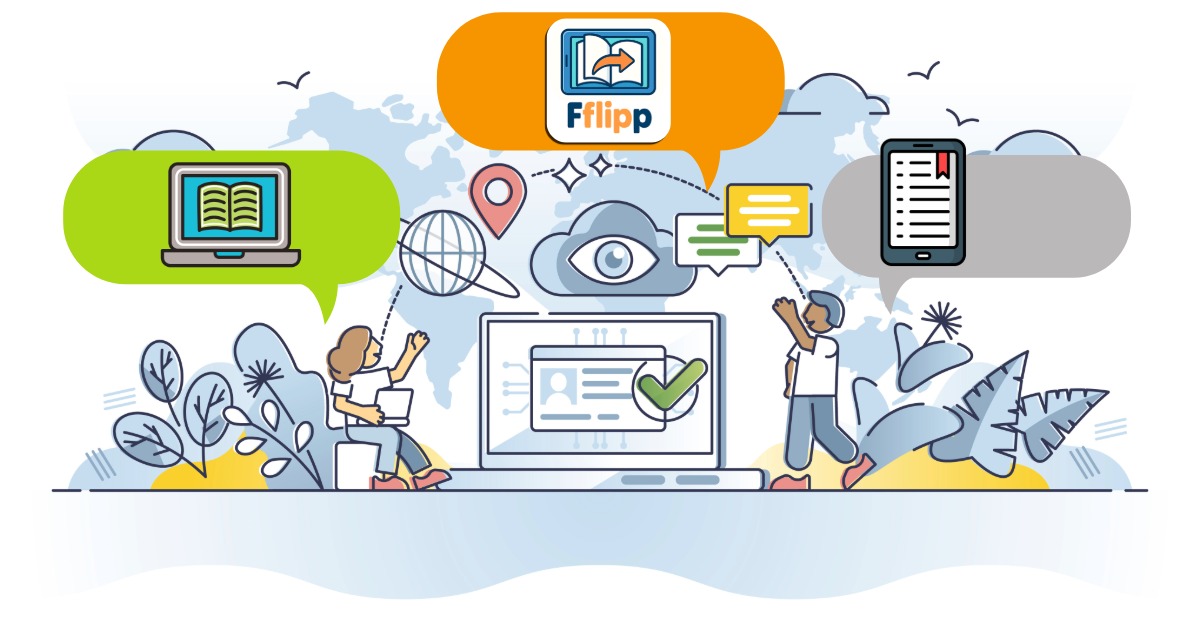
A flipbook takes the best of both worlds. It preserves the beautiful, fixed-layout design of a print document (like a PDF) but adds a layer of rich, interactive experience on top. It's designed to be viewed in any web browser, on any device, with no special software required.
The core of a flipbook is its intuitive, realistic page-turning effect, which mimics the feeling of reading a real book or magazine. But its true power lies in what you can embed inside.
Key Characteristics of a Flipbook:
- Preserved Design: Your layout, images, and branding look exactly as you designed them, just like a high-quality PDF.
- Interactive Experience: This is the key difference. With a tool like Fflipp, you can embed video and audio hotspots directly onto the pages.
- Engagement & Analytics: Flipbooks are built for the web. You can add clickable links to your products, gather feedback with comments, and track detailed analytics to see who is reading your content and where they are in the world.
- Universal Accessibility: A flipbook is shared with a single link. Anyone can open it instantly in their browser on their phone, tablet, or desktop.
Why Flipbooks Are the Main Trend
While eBooks are perfect for reading novels on a dedicated device, they fail when it comes to visually rich, engaging content. No one wants to read a product catalog or a design portfolio as a block of reflowable text. This is where flipbooks shine and why they are becoming the go-to format for modern digital publishing.
1. They are an Experience, Not Just a Document
The page-flipping sound and animation, combined with embedded videos and music, create a memorable, multi-sensory experience that a static PDF or a plain-text eBook can't match.
2. They Drive Action and Conversion
Flipbooks are a marketer's dream. You can turn a beautiful catalog into a direct sales tool by adding clickable links on every product. You can even use a Lead Capture gate to collect email addresses from interested readers, turning your content into a lead-generation machine.
3. They Respect Your Brand and Design
You spent hours designing your brochure, report, or portfolio. A flipbook honors that work by preserving your layout perfectly. With Fflipp's Business plan, you can even apply a custom Brand Kit, ensuring the entire viewer matches your company's colors and logo.
Ready to Try the Future of Digital Content?
The best way to understand the magic of a flipbook is to create one yourself. With Fflipp, you can sign up for a free account and instantly transform your first PDF into an engaging, shareable experience.

Comments & Questions
Log in to join the conversation.